
Parenting Kids with FASDs and Invisible Disabilities Successfully
Audio podcast interview with Eileen Devine, LCSW, and expert on FASD. She discusses the challenges for kids with brain differences and their parents and offers helpful strategies. Duration: 54 minutes.
Parenting Indigenous Children with FASD – Guide to Culture for Non-Indigenous Caregivers

This booklet is a guide to culture for non-Indigenous caregivers of Indigenous children affected by FASD. It shares some reasons why culture is important, how you can connect as a family to the child’s culture and stories from other families.
Parental Expectations with an Adult Child Impacted by FASD

Challenges that arise when young adults are transitioning into adulthood; presentation given by a social worker and mother of two children with FASD (1.5 hours, presentation slides available)
Paradigm Shifts: Reframing your thinking process
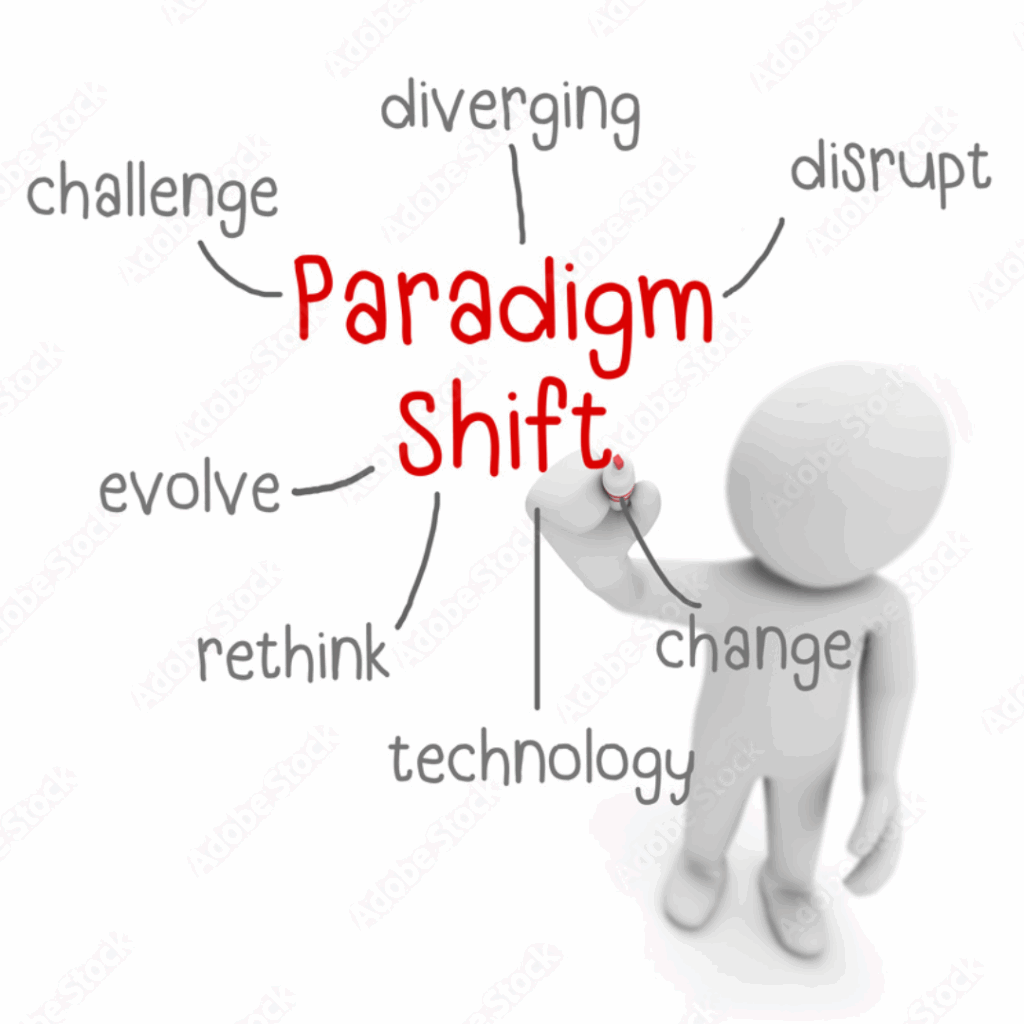
A short summary of how to change your thinking about children with FASD. Instead of changing the child, change their environment (2 pages).
Ontario Disability Support Program

Information about the Ontario Disability Support Program; eligibility; links to forms
My Brain, Me and FASD
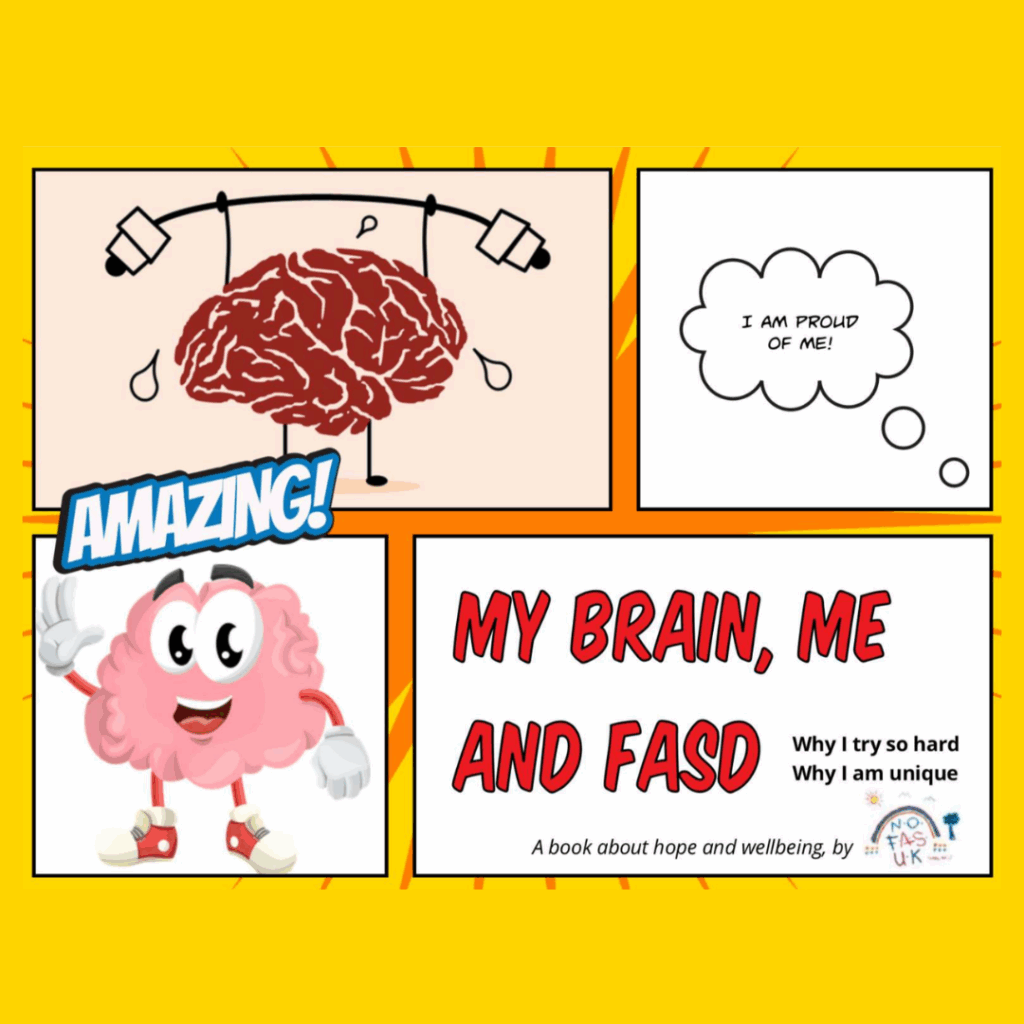
A booklet to promote wellbeing among children with FASD in a fun and visual format, emphasising the strengths of those with FASD. Caution: uses UK diagnostic terms. (16 pages)
My Brain, Me and FASD
A video to promote wellbeing among children with FASD in a fun and visual format, emphasising the strengths of those with FASD. Caution: uses UK diagnostic terms. (10 minutes)
Morgan Fawcett on living with FASD

Personal story of an Indigenous youth living with FASD (7 minutes)
Money Management for Adults

Information on money management for adults with FASD (1 page)
Mocktails for Mom
Brochure for future parents: Information and tips about the risks of alcohol use during pregnancy.
Message to Teaching Staff – (in french)

Tips for educators/teachers on helping children with FASD succeed in the classroom (4 page booklet)
Mentoring & FASD
Webcast of a model of mentoring youth and adults with FASD; best ways to build relationships, setting goals, decision making, transition to adult services and between adult services (1.5 hours)

