Watch author Hannah Denberg read her children’s book about FASD
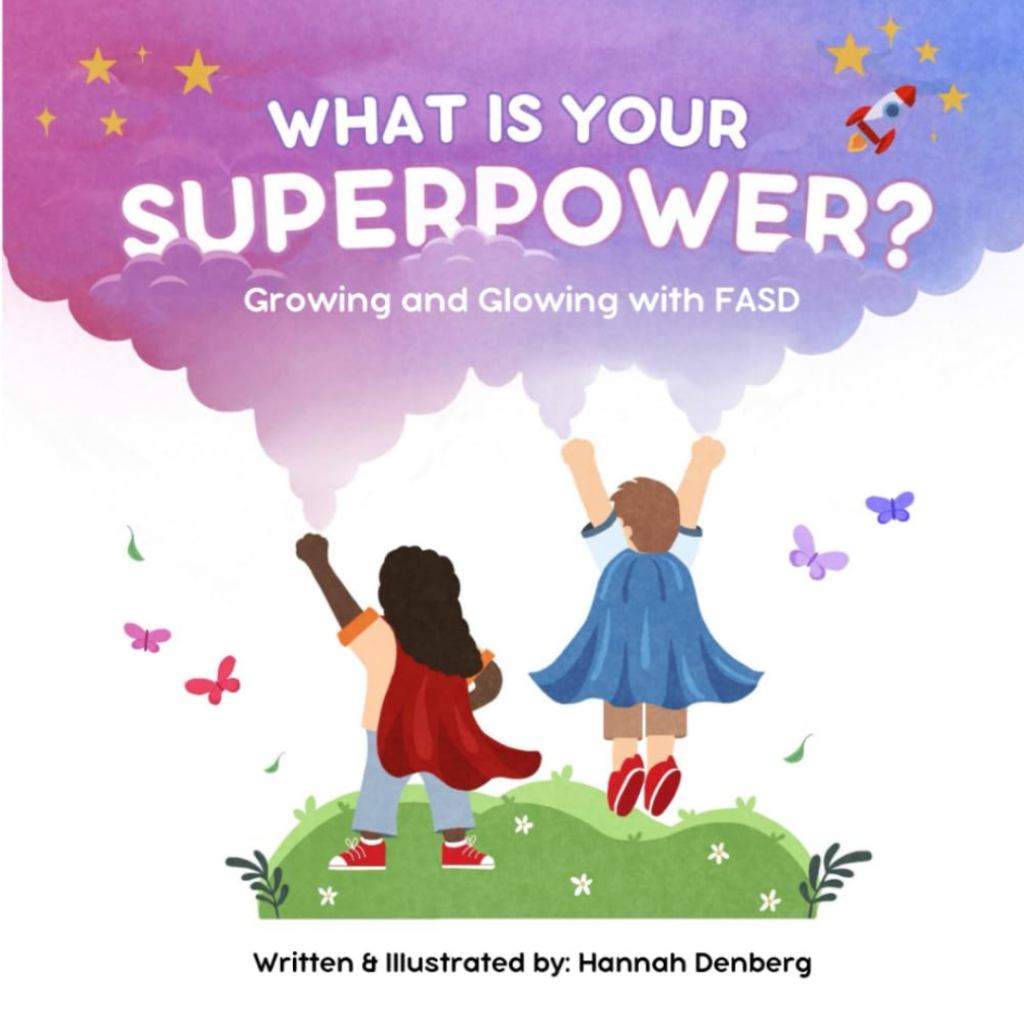
Storytelling has a magical way of connecting us, especially when it comes to children’s books. There’s something incredibly special about hearing the author bring their own characters and world to life through their voice. Today, we’re thrilled to share a special treat with you — a video of author Hannah Denberg reading her book “What is Your Superpower?”
Lying as a Trauma Driven Behaviour Podcast
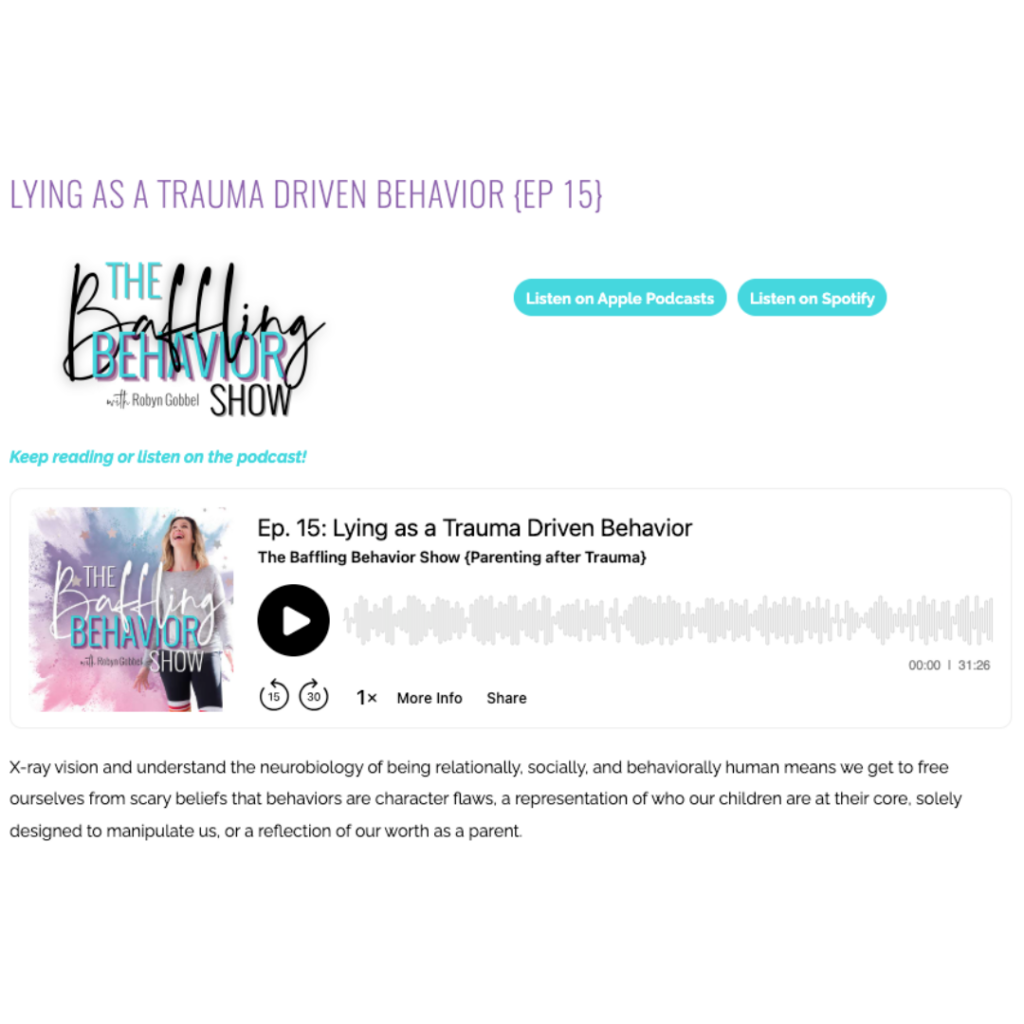
X-ray vision and understand the neurobiology of being relationally, socially, and behaviorally human means we get to free ourselves from scary beliefs that behaviors are character flaws, a representation of who our children are at their core, solely designed to manipulate us, or a reflection of our worth as a parent.
Lying as a Trauma Driven Behaviour Infographic
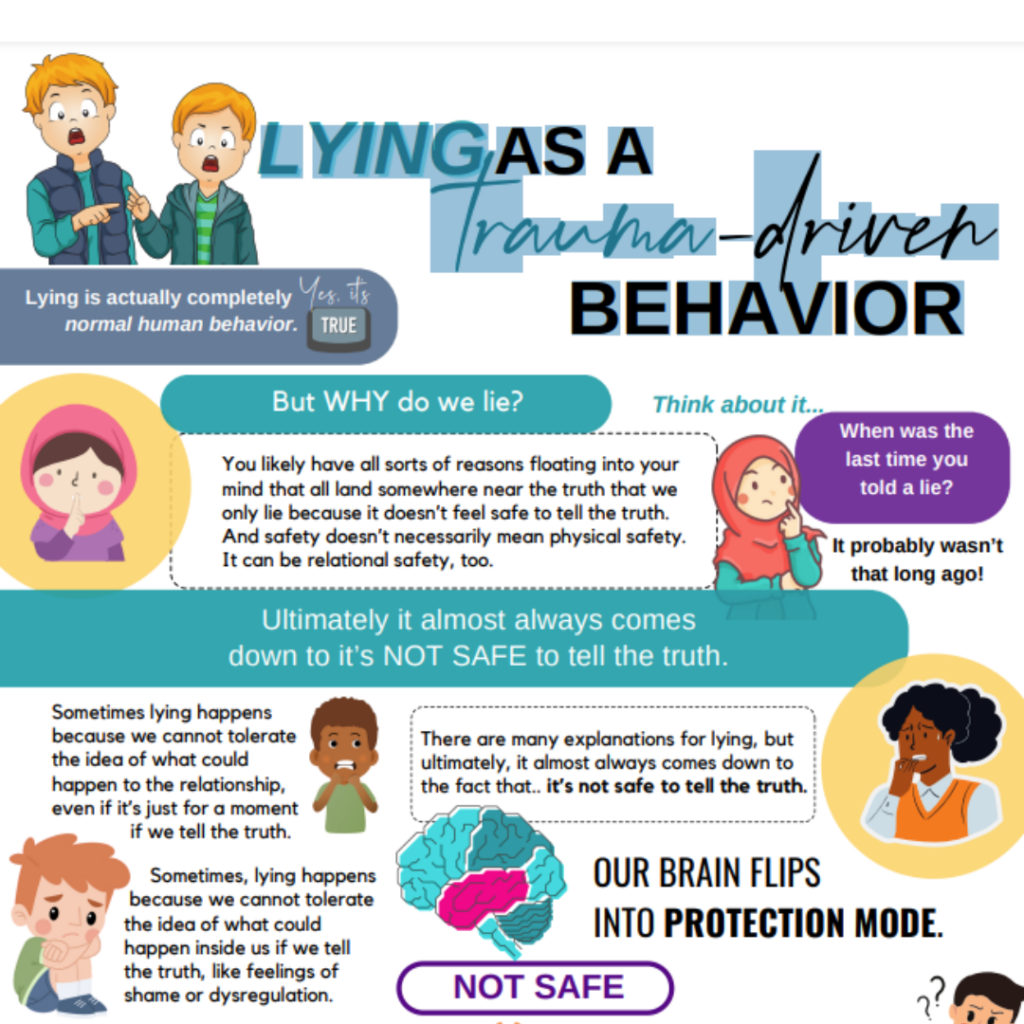
Infographic about Lying as Trauma Driven
Une Stratégie nationale sur la prestation de soins pour le Canada

Une Stratégie nationale sur la prestation de soins au Canada propose des solutions de politique publique concrètes pour relever les plus grands défis auxquels sont confrontés les proches aidant·e·s, les bénéficiaires de soins et les fournisseurs de soins à l’échelle du Canada.
A National Caregiving Strategy for Canada
A National Caregiving Strategy for Canada contains actionable public policy solutions to address the biggest challenges faced by caregivers, care recipients and care providers across Canada.
“YOU DON’T WANT TO DRINK? WHAT ARE YOU, PREGNANT?!” : PORTRAYALS OF ALCOHOL AND SUBSTANCE USE DURING PREGNANCY ON TELEVISION

In the current study, we aimed to explore the portrayal of alcohol (and substance) use (e.g., tobacco, opioids) during pregnancy in North American, English speaking mainstream prime time and streaming television shows (N = 25).
Transitions into adulthood for people with fetal alcohol spectrum disorder: A scoping review of promising practices
Twenty-one peer-reviewed sources were included in this review. Studies largely focused on one of three areas: (1) programs supporting youth with FASD and their families, (2) lived experiences of individuals with FASD during the transition to adulthood, or (3) preventing adverse outcomes. Recommendations from included studies highlighted the importance of programs and supports that demonstrate an understanding of FASD and emphasize relationship-building, the benefits of obtaining an FASD diagnosis, the notable gap in services for individuals who have transitioned to adulthood, and the importance of consistent advocates in the lives of youth with FASD.
Kitchen Table Conversations: Short and shareable conversation starters to support you or your loved ones with a complicated and beautiful brain.

Short and shareable conversation starters to support you or your loved ones with a complicated and beautiful brain.
Collaborative Action on Fetal Alcohol Spectrum Disorder Prevention: Principles for Enacting the Truth and Reconciliation Commission Call to Action #33
The association between fetal alcohol spectrum disorder (FASD), residential schools and subsequent assimilatory policies in Canada is of such significance that it was included in the groundbreaking Truth and Reconciliation Commission of Canada’s Final Report through Call to Action #33, which focuses on collaboratively developing FASD prevention programs in Indigenous communities.
Sex and age effects on gray matter volume trajectories in young children with prenatal alcohol exposure
Using longitudinal T1-weighted MRI, the present study characterized gray matter volume development in young children with PAE compared to unexposed children.
(KBHN) Disability Policy in Canada
The Disability Policy in Canada Provincial and Territorial Report was commissioned by Kids Brain Health Network (KBHN), and developed in collaboration with researchers from the Disability Policy Research Program (DiPo) and McGill University. The purpose of this report is to provide a comprehensive overview of the current state of disability policy across Canadian provinces and territories. This report can serve as a baseline against which future progress in policy changes can be assessed, or at least understood.
How to Explain an FASD Diagnosis to your Child
The following are tips on how to explain the diagnosis of FASD to your child in a way that they can understand, and feel empowered by their disorder.

